
Ha Noi beyond the postcard
Hanoi, Vietnam
Hanoi is the capital of Vietnam and one of the country’s most fascinating cultural destinations. With more than a thousand years of history, the city combines ancient temples, colonial architecture, traditional neighborhoods, peaceful lakes, vibrant street life, and a distinctive local food culture.
Located in northern Vietnam, Hanoi offers travelers a very different experience from Ho Chi Minh City. While the southern metropolis is known for its fast-paced energy, Hanoi is especially appealing for its historic atmosphere, tree-lined streets, old neighborhoods, lakes, cafés, and traditional Vietnamese culture.
Why Visit Hanoi?
Hanoi is an excellent destination for travelers who want to discover the history and culture of northern Vietnam. The city is compact enough to explore many major attractions within a few days while also serving as an important gateway to Ha Long Bay, Ninh Binh, Sapa, and other destinations in northern Vietnam.
Visitors can wander through the narrow streets of the Old Quarter, enjoy Vietnamese coffee beside Hoan Kiem Lake, explore historic temples, learn about Vietnam’s modern history, and discover some of the country’s best-known local dishes.
Top Attractions in Hanoi
Hoan Kiem Lake
Located in the heart of Hanoi, Hoan Kiem Lake is one of the city’s most recognizable landmarks. The lake provides a peaceful contrast to the busy streets surrounding the Old Quarter.
Visitors can walk around the lakeside, visit Ngoc Son Temple, and enjoy the lively atmosphere around the pedestrian streets, particularly during weekends.
Hanoi Old Quarter
The Hanoi Old Quarter is the historic and cultural heart of the city. Its narrow streets are filled with traditional shops, cafés, restaurants, street-food stalls, small hotels, and local businesses.
Exploring the Old Quarter on foot is one of the best ways to experience everyday life in Hanoi.
Temple of Literature
Founded in 1070, the Temple of Literature is one of Hanoi’s most important historical and cultural sites. Dedicated to Confucius, the complex later became associated with Vietnam’s first national university.
Its traditional architecture, courtyards, gardens, and stone stelae provide visitors with an introduction to Vietnam’s long tradition of education and scholarship.
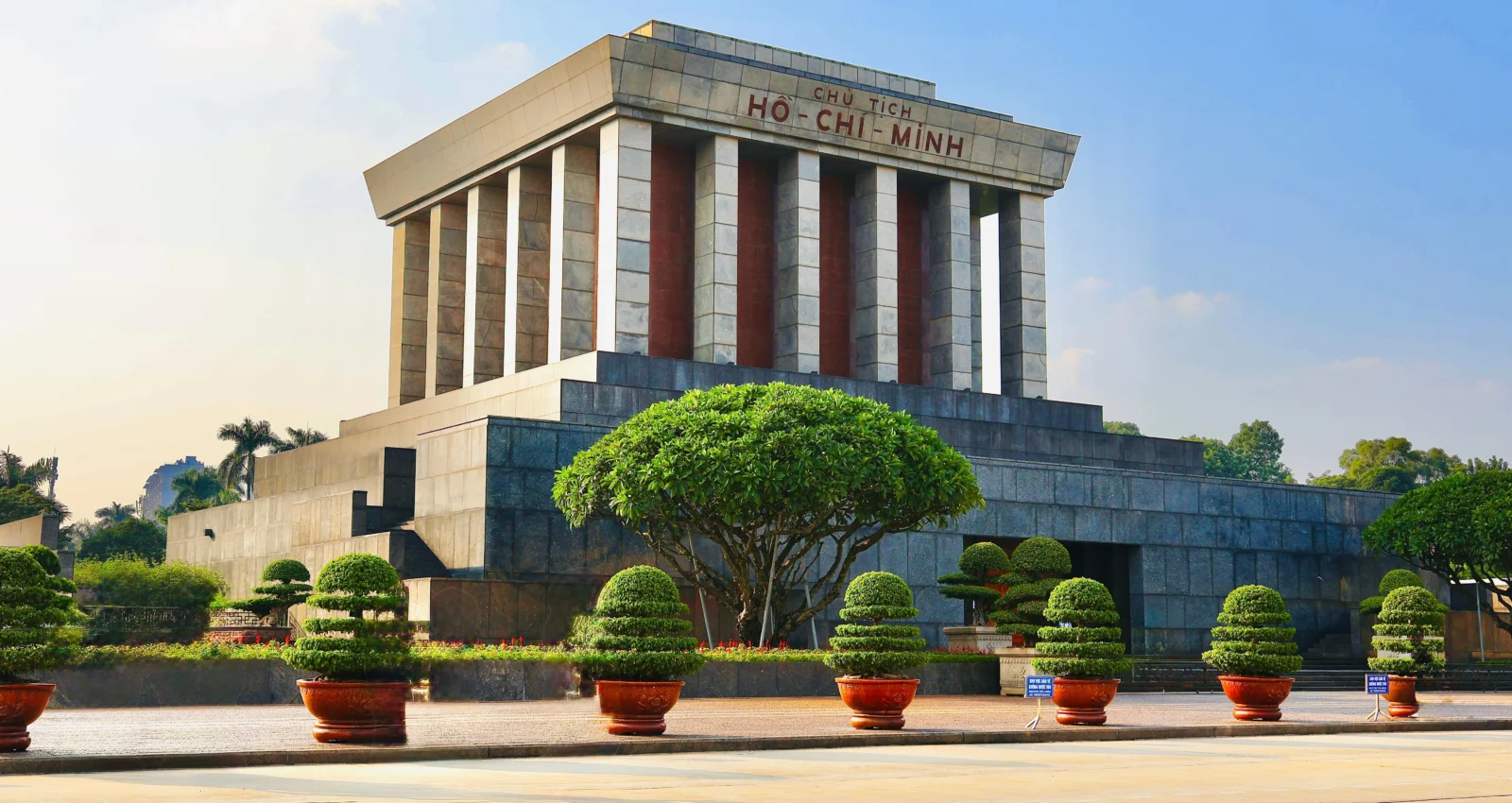
Ho Chi Minh Mausoleum Complex
The Ho Chi Minh Mausoleum Complex is an important historical area in Hanoi. Visitors can explore several significant sites nearby, including Ba Dinh Square, the Presidential Palace area, Ho Chi Minh’s Stilt House, and the One Pillar Pagoda.
Travelers should dress respectfully when visiting the complex.
Hoa Lo Prison
Hoa Lo Prison is an important historical museum offering insight into different periods of Vietnam’s modern history.
Originally constructed during the French colonial period, the site contains exhibitions, photographs, artifacts, and reconstructed areas documenting the experiences of people imprisoned there.
Hanoi Food & Local Experiences
Food is an essential part of any visit to Hanoi. The city’s streets and traditional neighborhoods offer countless opportunities to experience northern Vietnamese cuisine.
Popular dishes and drinks to try include:
- Pho Hanoi – Hanoi-style Vietnamese noodle soup
- Bun Cha – grilled pork served with rice noodles, herbs, and dipping sauce
- Cha Ca – Hanoi-style fish with herbs and noodles
- Banh Cuon – steamed rice rolls with savory fillings
- Egg Coffee – Hanoi’s famous creamy coffee specialty
A street-food tour or an evening walk through the Old Quarter is a great way to experience Hanoi’s culinary culture.
Best Time to Visit Hanoi
Hanoi can be visited throughout the year, but weather conditions vary considerably by season.
October to April generally brings cooler temperatures and can be comfortable for sightseeing. Spring offers mild conditions, while winter can occasionally feel surprisingly cool.
From approximately May to September, Hanoi is typically hotter, more humid, and receives more rainfall. Travelers visiting during this period should prepare for warm weather and occasional heavy showers.
How Many Days Do You Need in Hanoi?
For first-time visitors, 2–3 days is usually enough to explore Hanoi’s main attractions.
Travelers with more time can spend 3–4 days discovering local neighborhoods, museums, food experiences, cafés, and less-visited areas.
Hanoi can also be combined with nearby destinations such as Ninh Binh, Ha Long Bay, Sapa, and Mai Chau for a longer northern Vietnam itinerary.
Getting Around Hanoi
Walking is one of the easiest ways to explore the Old Quarter and Hoan Kiem Lake area.
For longer distances, travelers can use taxis, ride-hailing services, buses, or private transportation. Traffic can be busy, particularly during morning and evening rush hours, so allowing additional travel time is recommended.
Discover Hanoi with Joyous Travel
From historic landmarks and traditional neighborhoods to street food and local culture, Hanoi offers travelers an opportunity to experience a different side of Vietnam.
Whether Hanoi is your first destination in Vietnam or part of a longer journey through the country, the capital provides an excellent introduction to the history, cuisine, architecture, and traditions of northern Vietnam.